Back to all stories

Wildlife

Biomapping the North

The next chapter for Marine Life of Mumbai

In collaboration with
Coastal Conservation Foundation
Where
North Mumbai, Vasai, Virar
When
Ongoing

For over a decade, Marine Life of Mumbai, a citizen science initiative under the Coastal Conservation Foundation, has been dedicated to documenting the rich intertidal biodiversity along the city’s coastline. As the project expands north into the lesser-explored shores of Vasai, Virar and surrounding coastlines, I have had the privilege of participating as a contributing photographer.

Documenting these marine ecosystems presents both a unique creative and physical effort. From pre-dawn expeditions and navigating marshy tidal flats to managing shifting light with precise manual-focus macro lenses, capturing these habitats requires immense patience and technical precision. Through high-detail macro photography, these miniature worlds come into sharp focus, revealing delicate bryozoan structures, sweeping colonies of feather duster worms, and intricate feather stars.

Beyond the imagery, my objective is to evoke a sense of wonder and ownership for our shores.
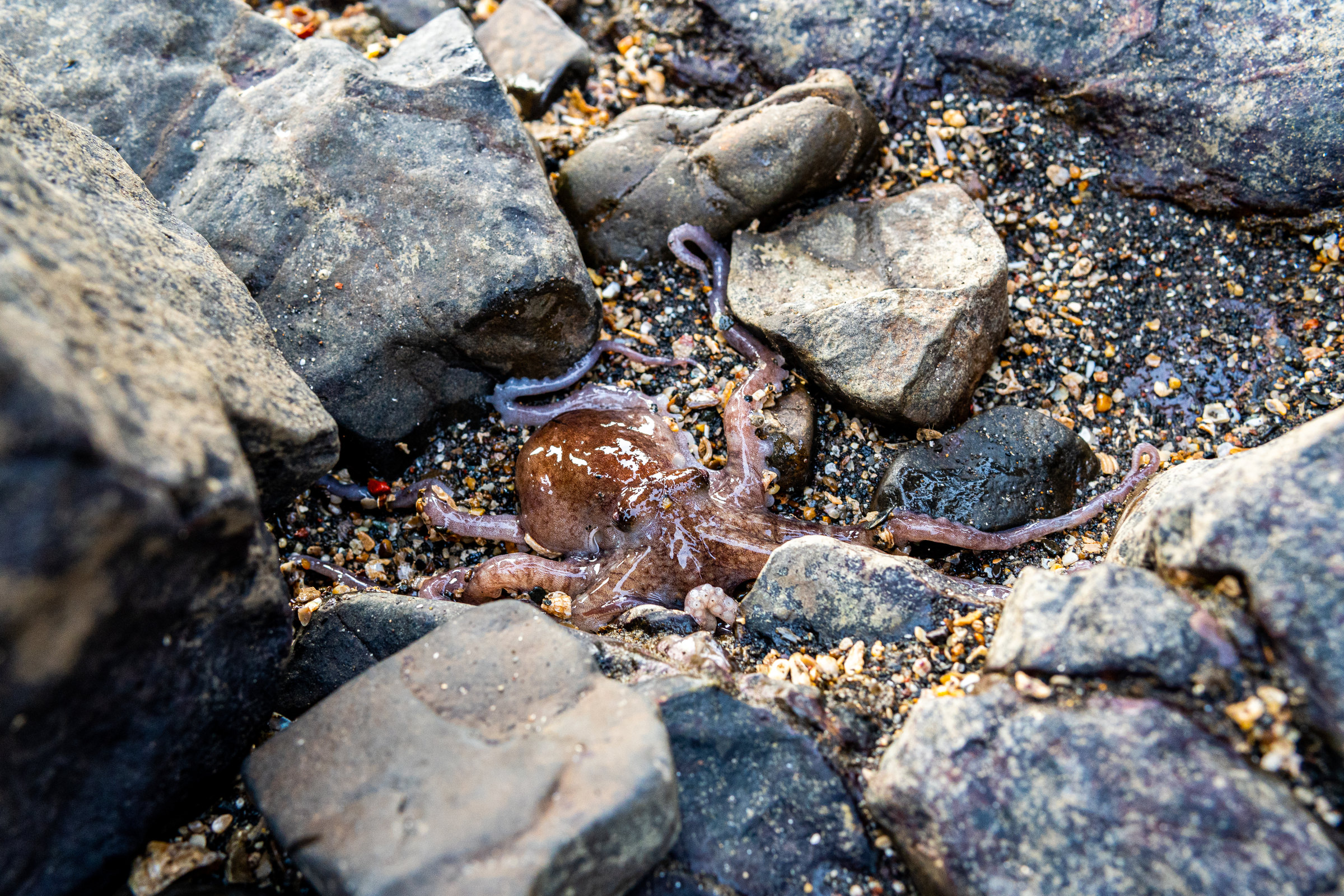
An octopus spreads its arms among rocks and shell grit in a tidepool
Where it began: an octopus resting in a tidepool on Nepean Sea Road, my first observation with Marine Life of Mumbai, in 2022.
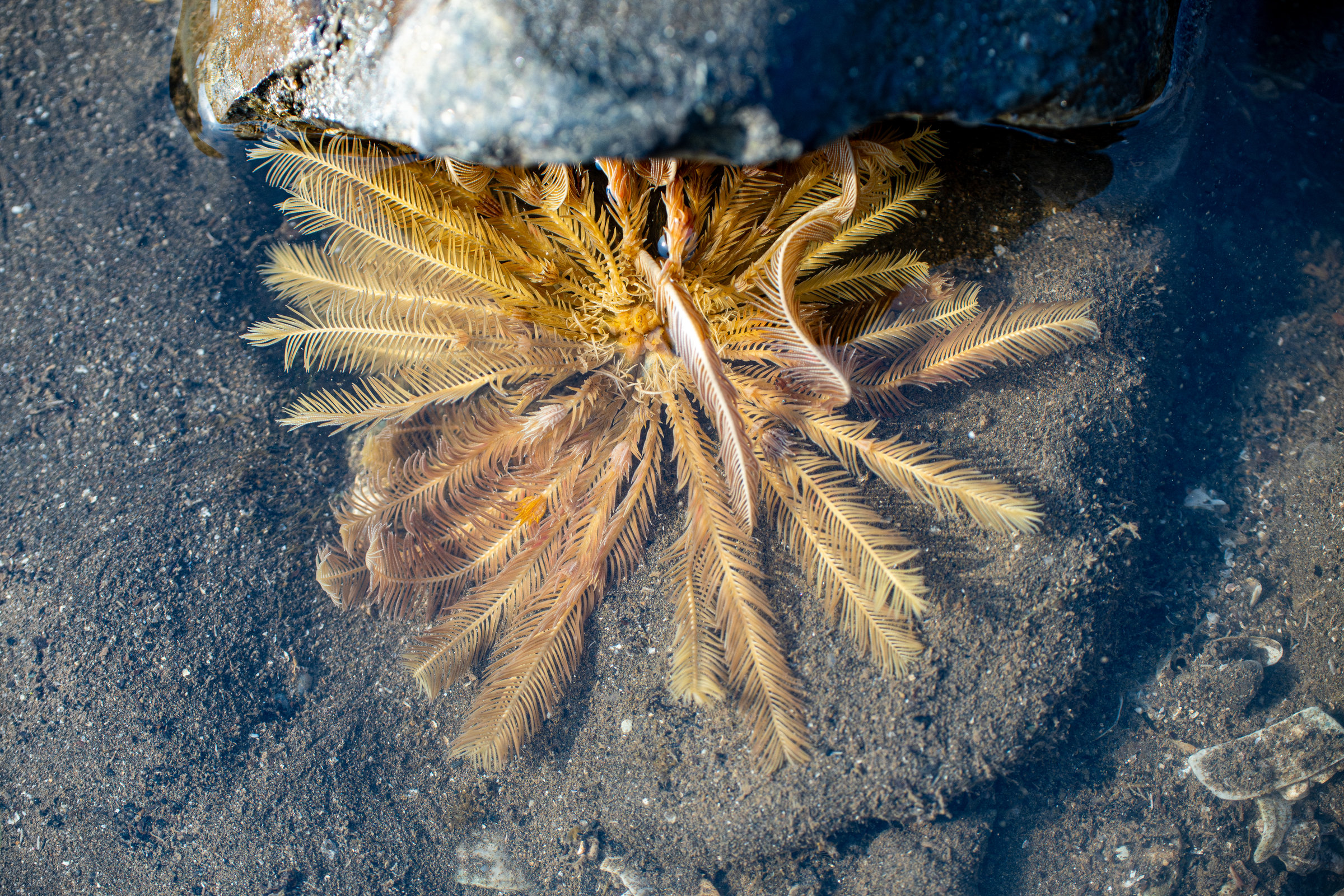
A golden feather star spreads its feathery arms beneath a rock in a shallow tidepool
A feather star unfurls beneath a rock on the northern shores.
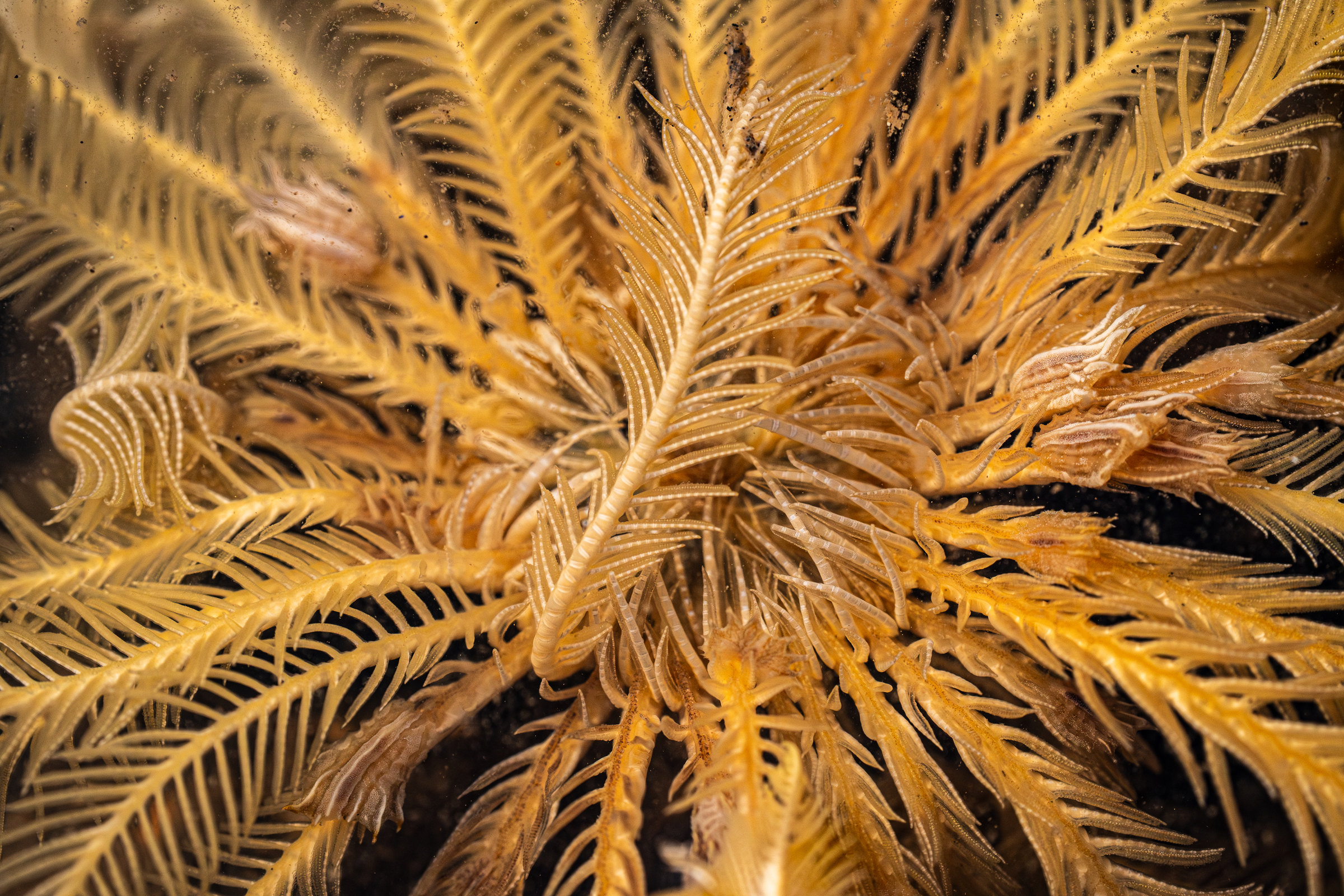
A close-up of a feather star’s golden, comb-like arms
Up close, every arm is a comb of finer filaments.
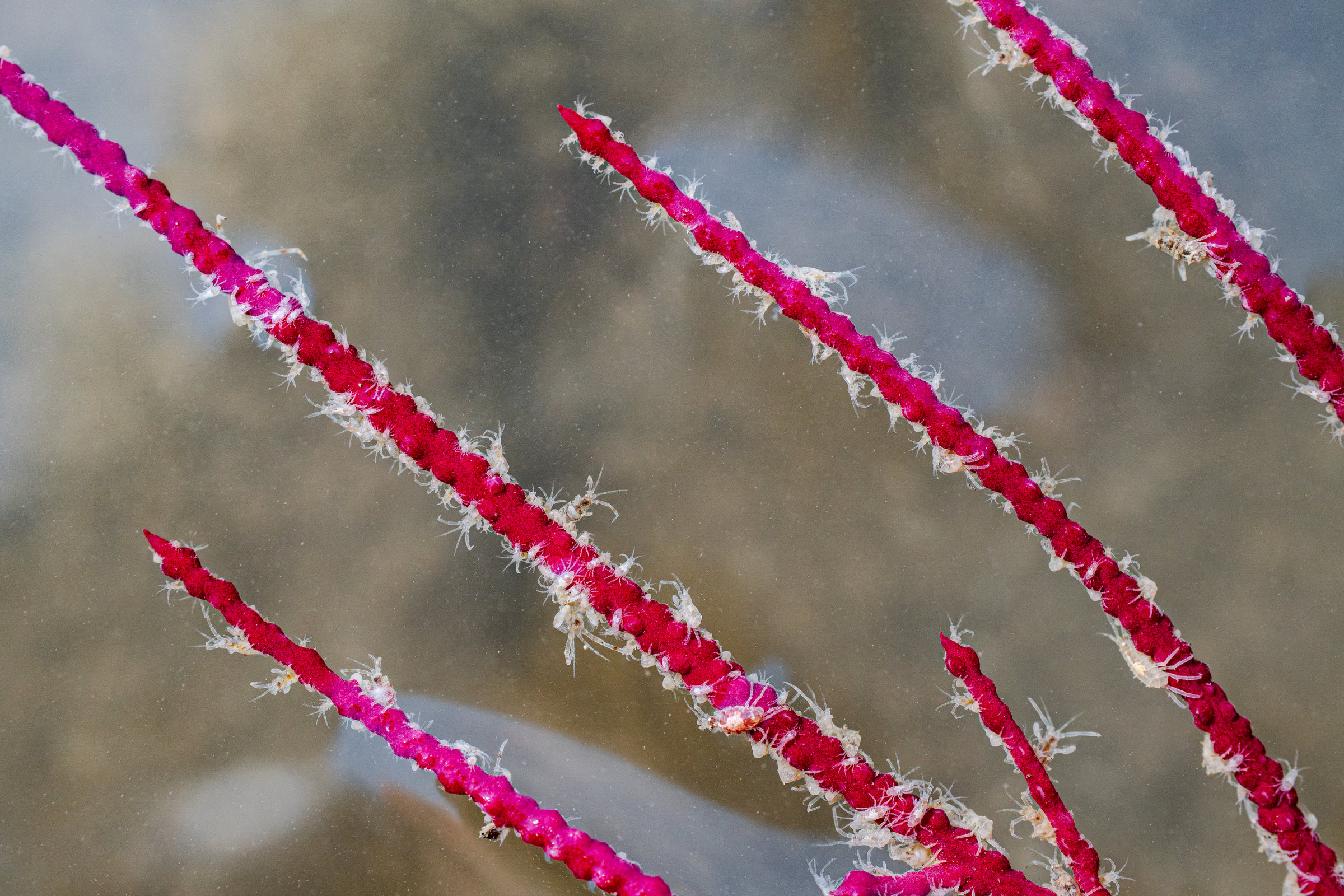
Magenta branches of an Indian sea plume covered in tiny translucent glass shrimp
An Indian sea plume, its branches crowded with tiny glass shrimp.
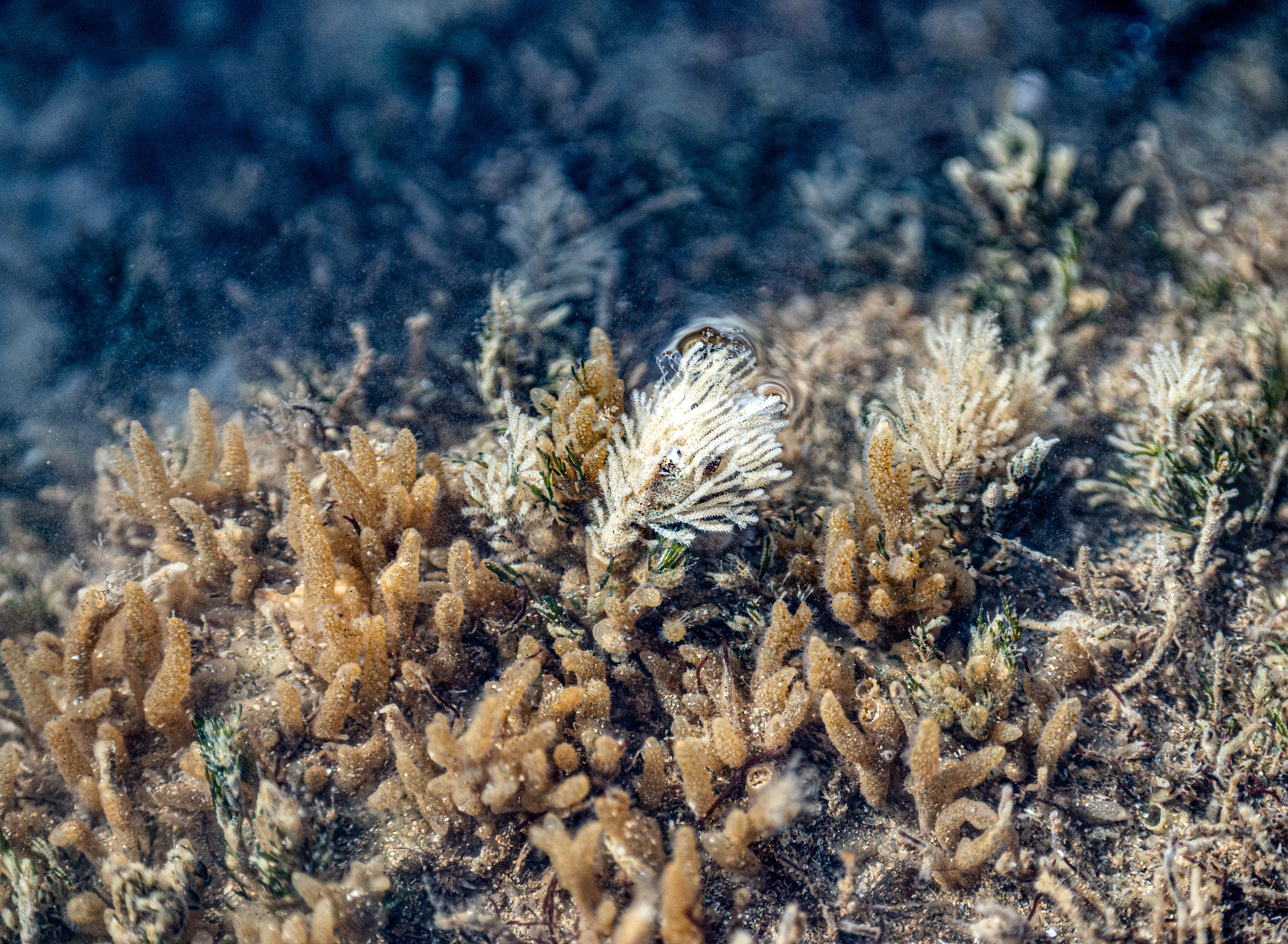
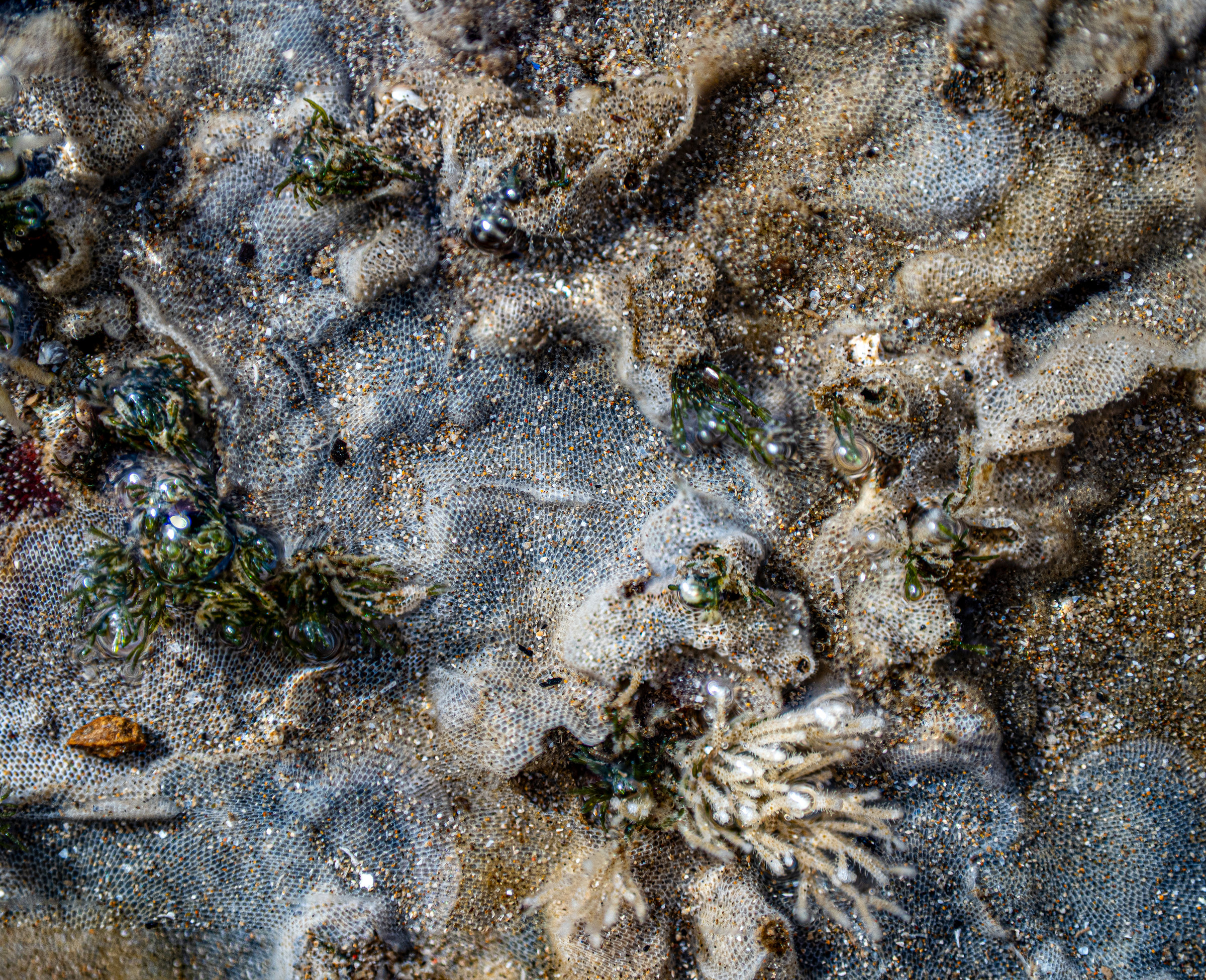
Branching tan and white bryozoan colonies in a clear tidepool
Bryozoans at Dana Pani. At first glance they look unremarkable.
A lace-like sheet of bryozoans spreading across a rock, studded with seaweed
Up close, they reveal stunning detail and complexity.
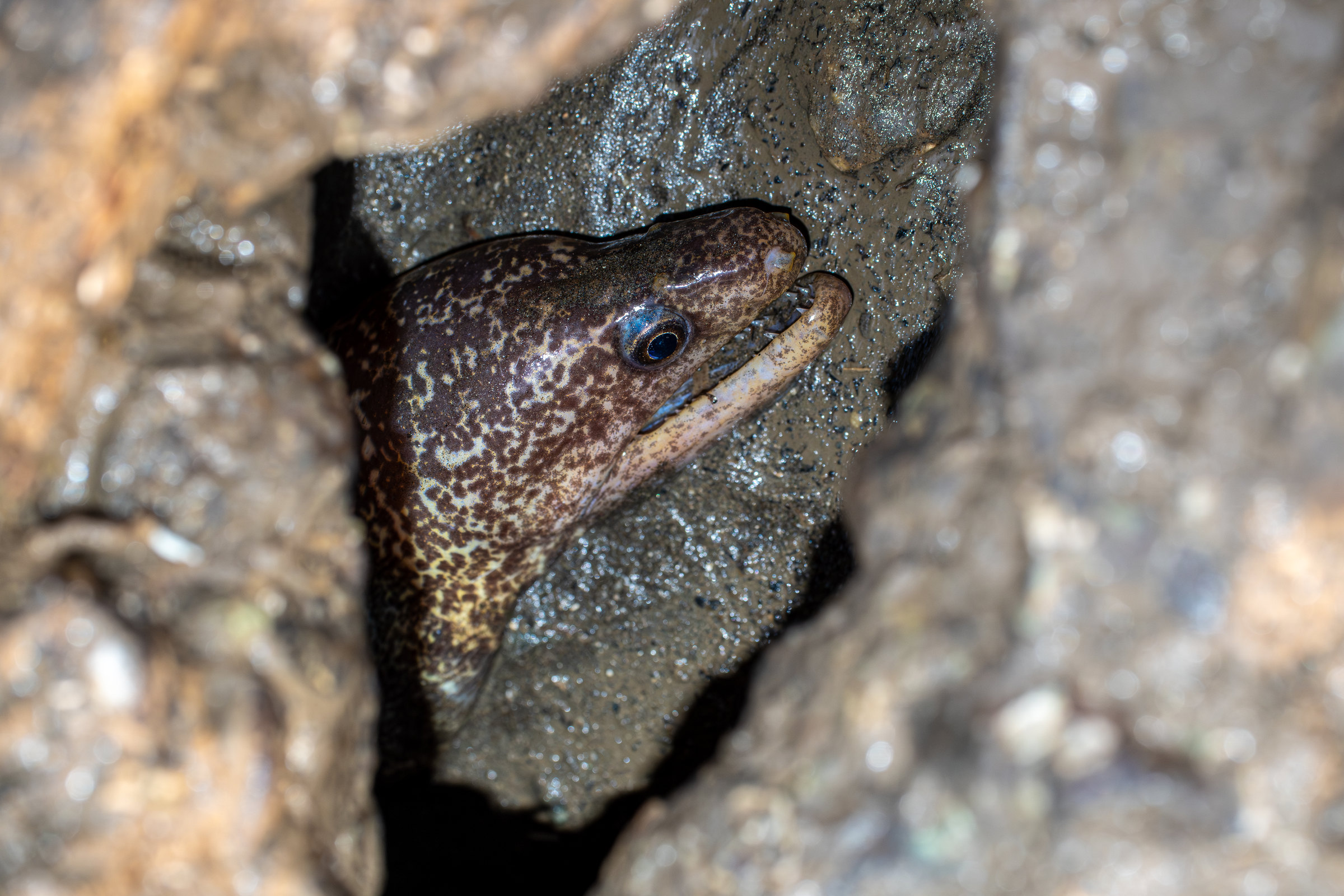
A speckled moray eel peers out from a crevice in wet rock
A moray eel watches from its crevice at low tide.
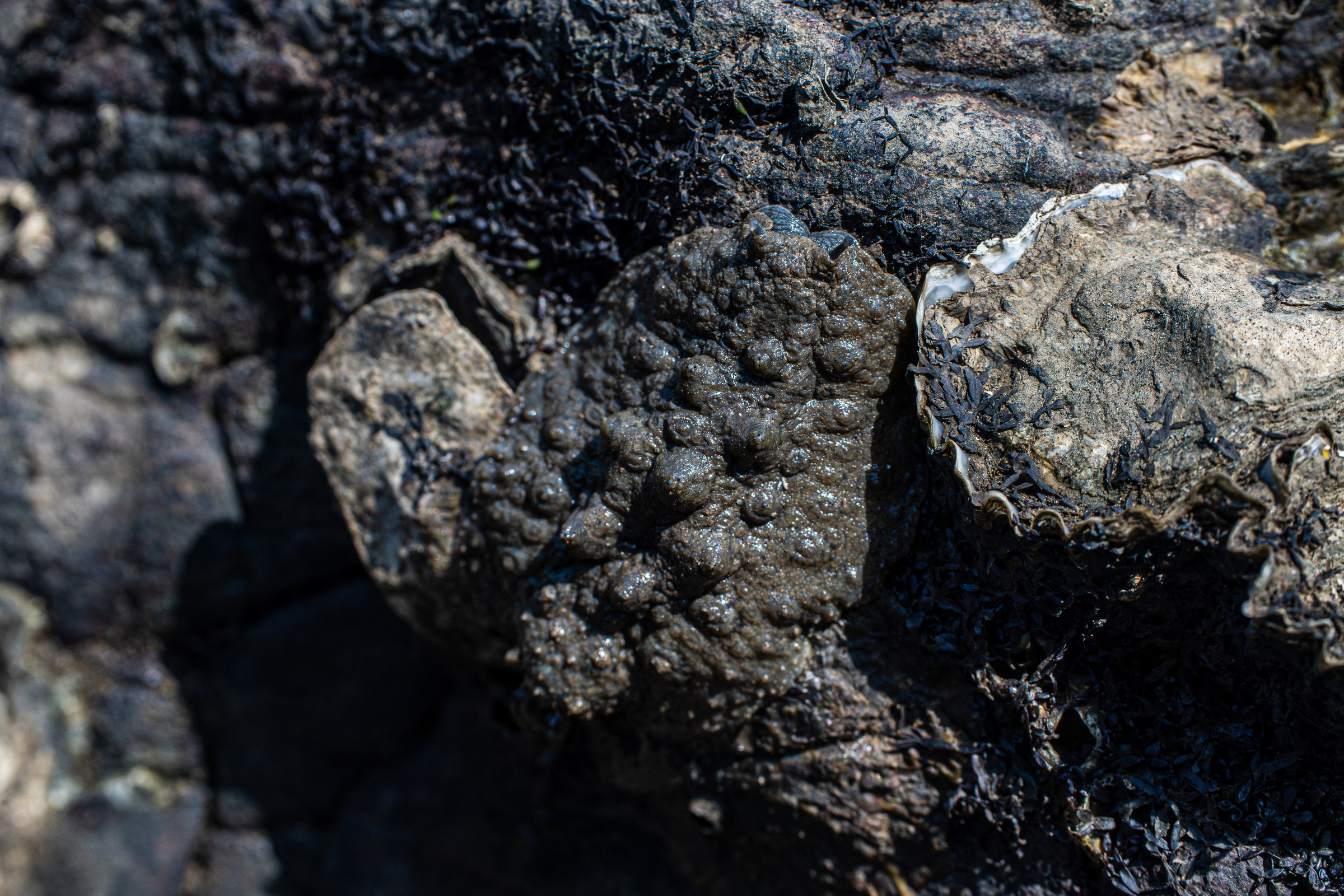
A lumpy, mud-coloured sea hare camouflaged against rocks and oysters
A sea hare, almost invisible against the rock.
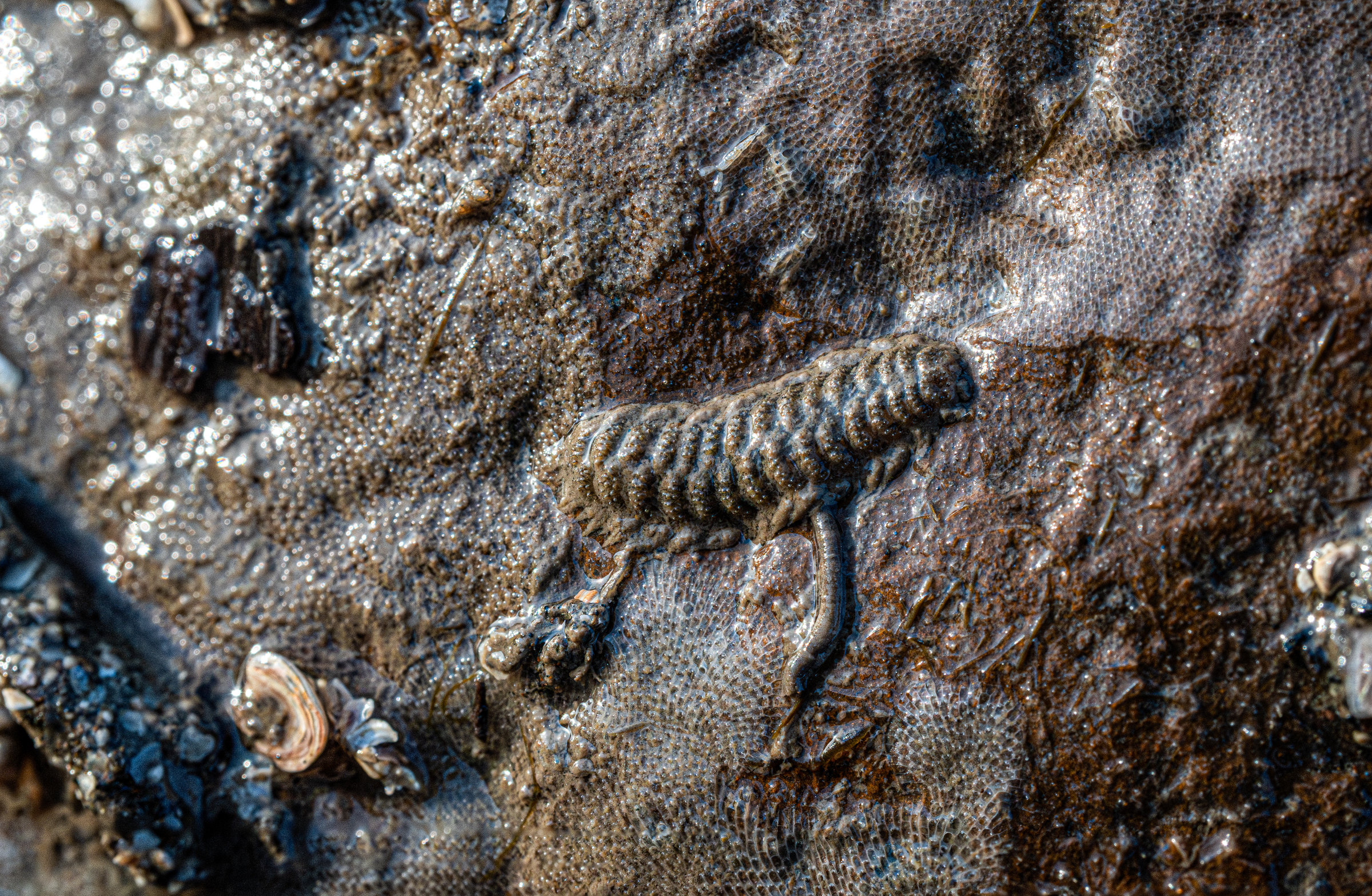
A ridged, mud-covered scaleworm on a rock encrusted with bryozoans
An unidentified marine scaleworm, one of many species still to be named here.
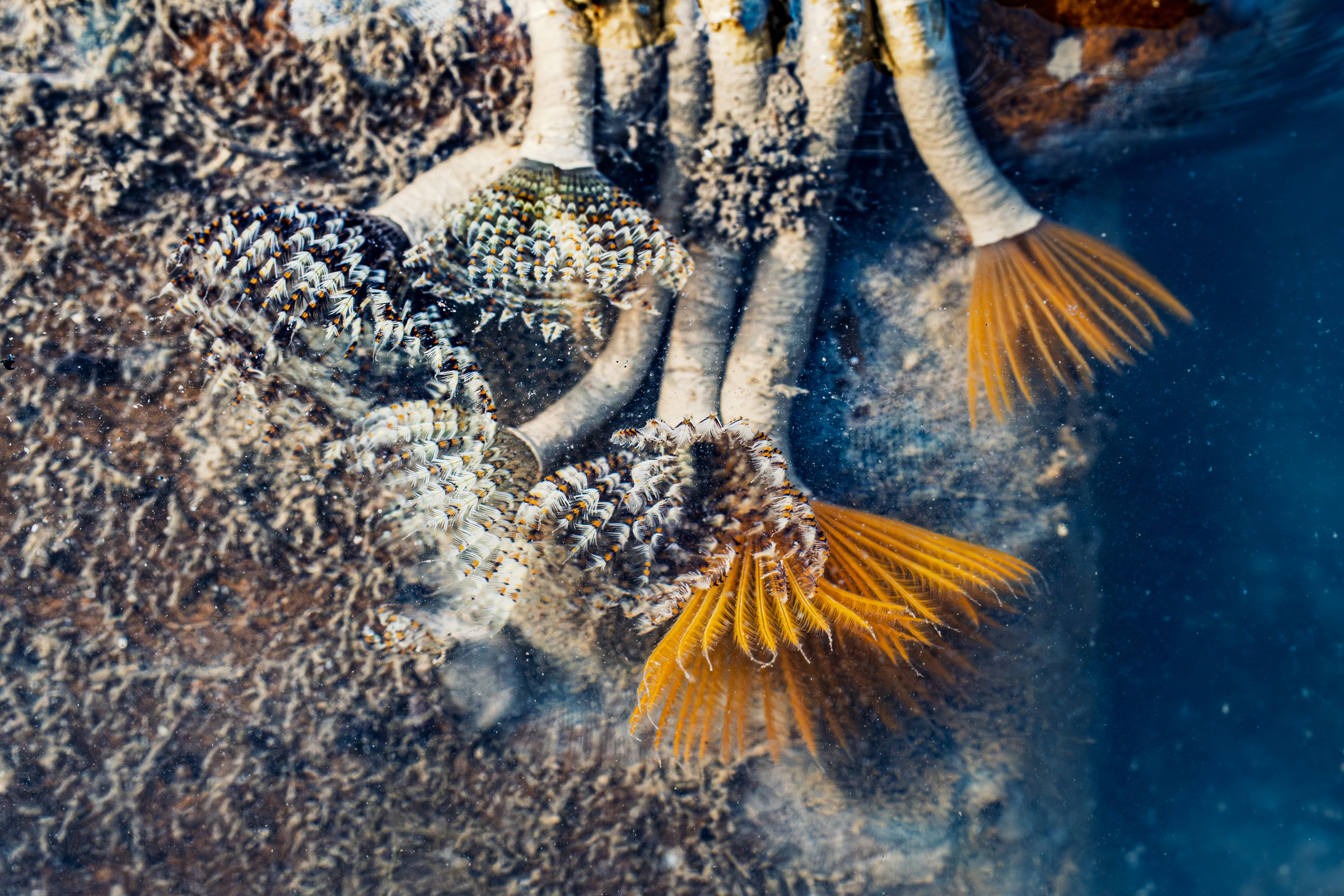
Feather duster worms open banded white and orange crowns underwater
Feather duster worms sway in unison in a tidepool at Bhuigaon beach.
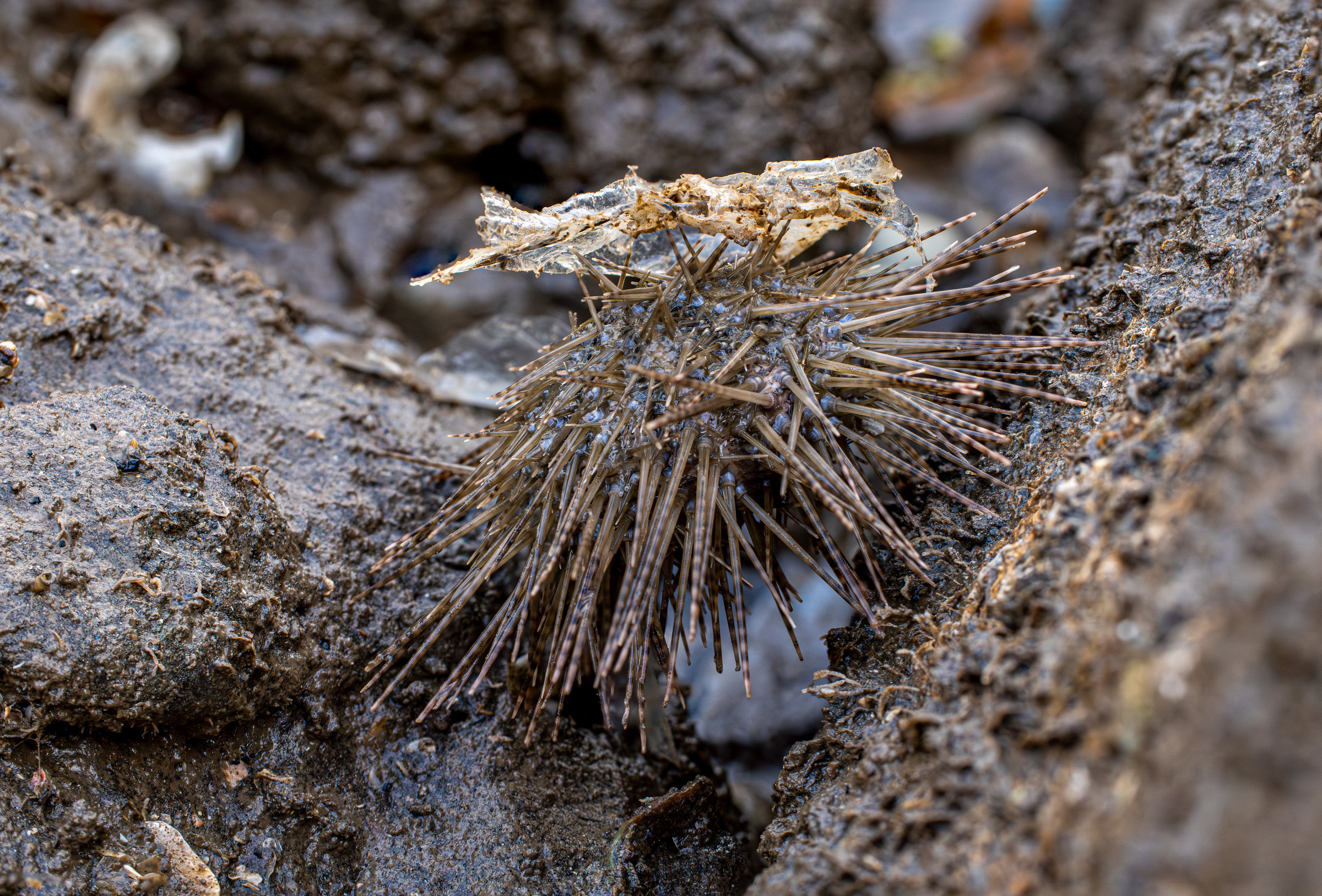
A spiny sea urchin in a rocky crevice with a scrap of plastic caught on its spines
A sea urchin wears a scrap of plastic, a reminder of what these shores face.
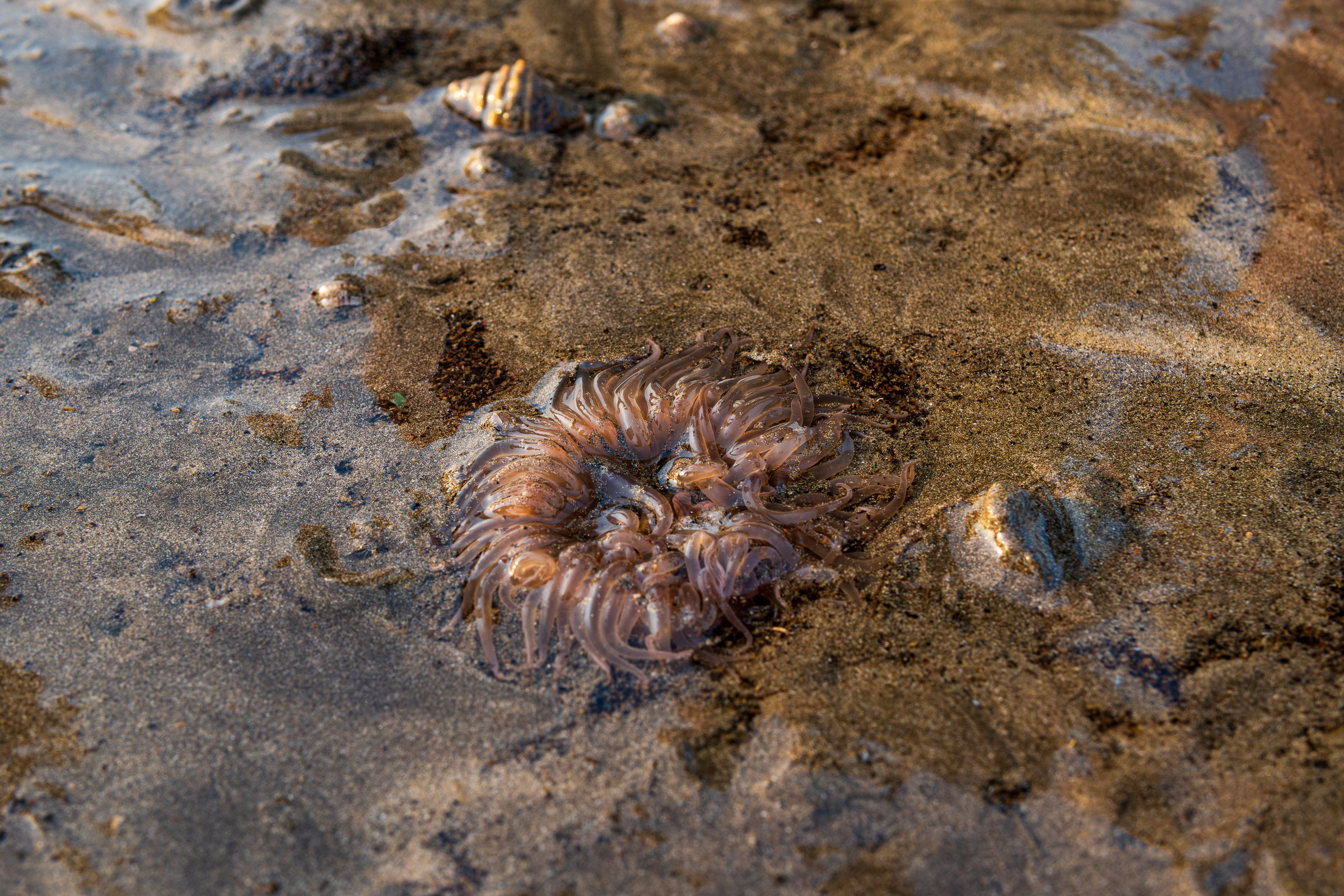
A translucent pinkish sea anemone with curling tentacles on wet sand
A pearly sea anemone at Juhu Beach, one of my favourite observations over the years.

The most remarkable natural heritage isn’t always hidden in some distant wilderness. Sometimes, it’s right here, thriving at the very edge of our cities.

More From This Story

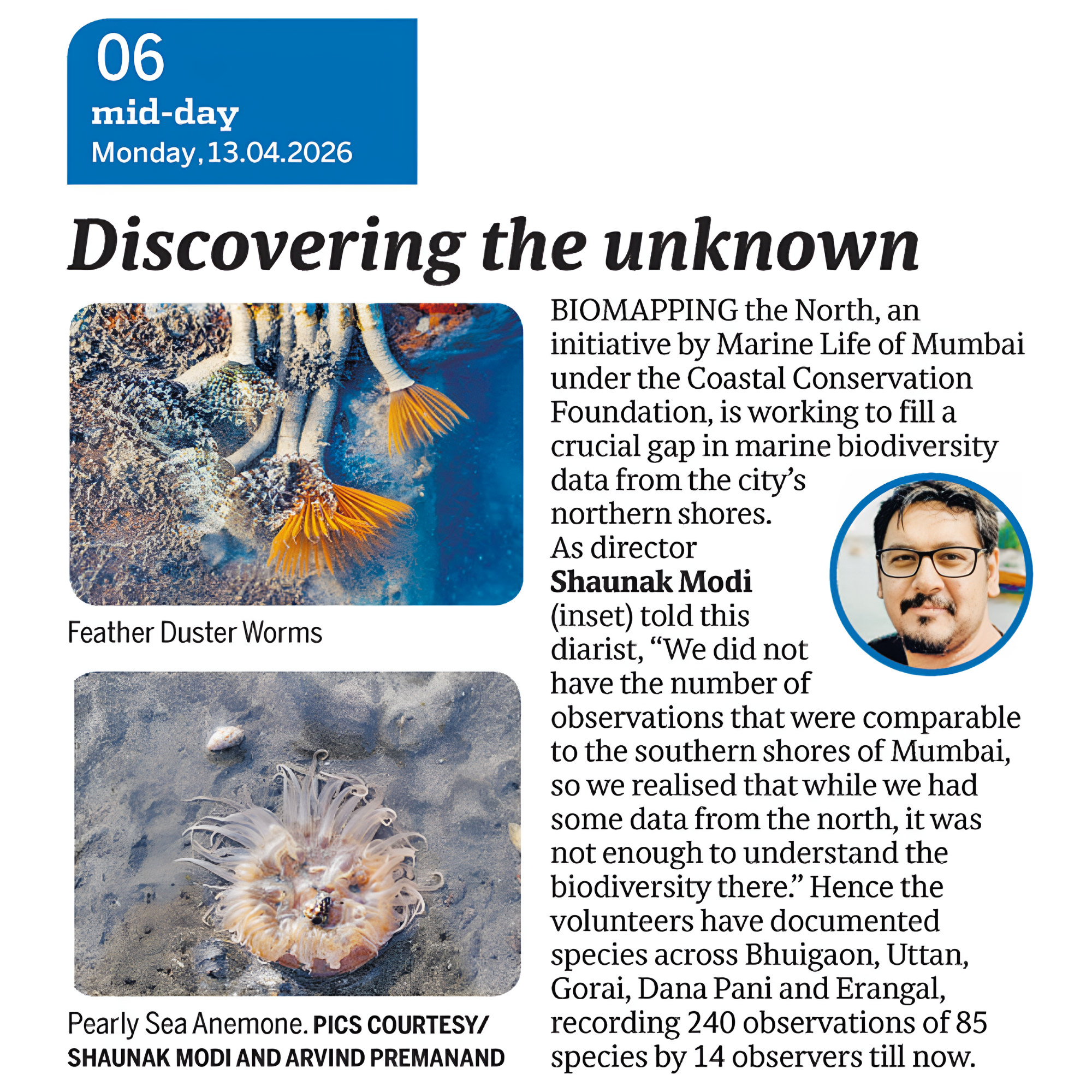
A mid-day newspaper clipping titled Discovering the unknown, about Biomapping the North, with photographs of feather duster worms and a pearly sea anemone
Featured in mid-day, 13 April 2026: ‘Discovering the unknown’.